October 22, 2026
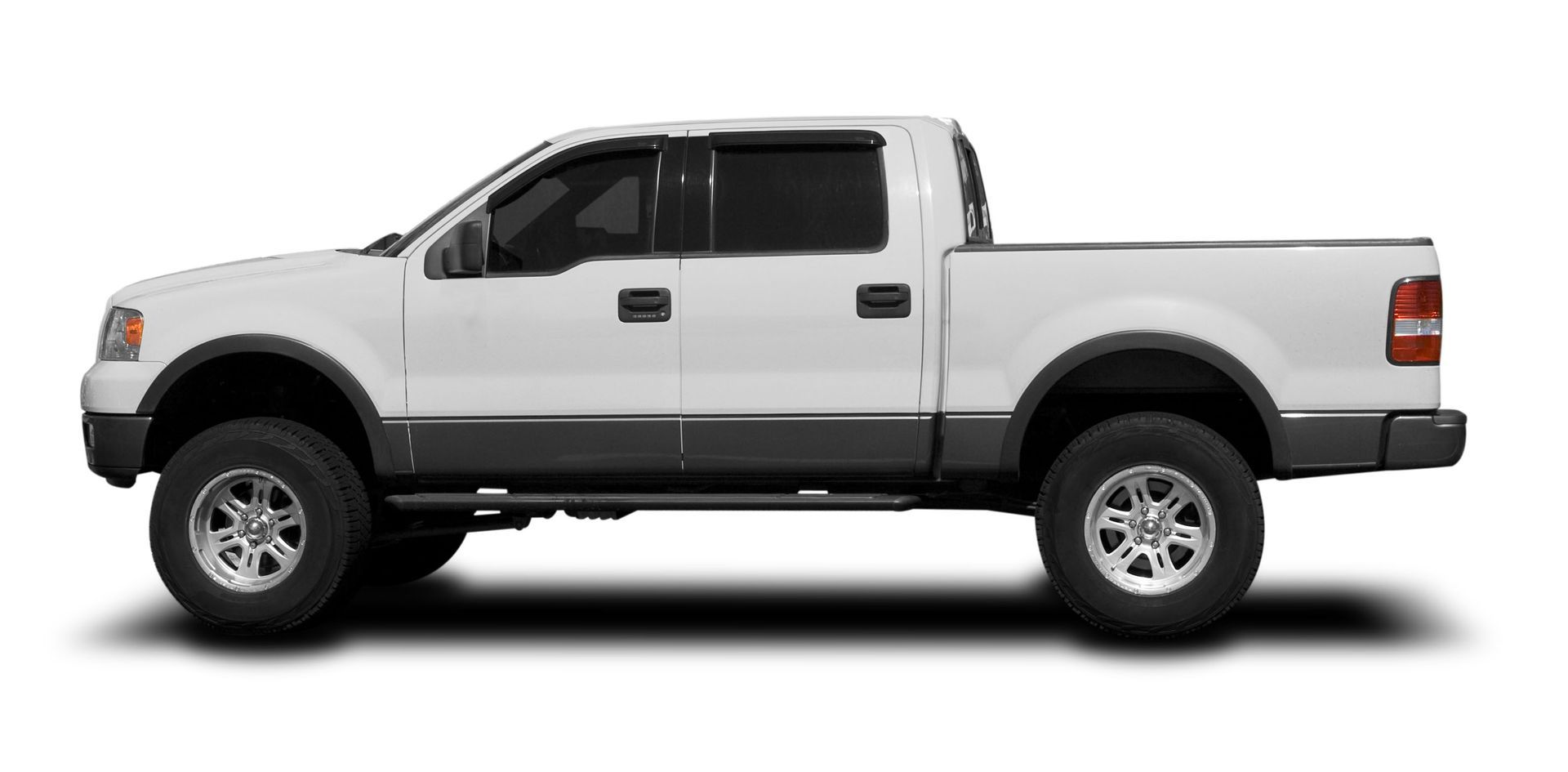
Deciding whether to modify your vehicle requires evaluating performance gains, aesthetic goals, and practical daily considerations. A lift kit stands out as one of the most popular aftermarket enhancements available today, offering increased ground clearance, enhanced trail capability, and a bolder overall stance. Understanding how these modifications impact handling, ongoing maintenance, towing capabilities, and ride comfort helps ensure that your investment aligns directly with your long-term driving needs and vehicle goals.
Before making a final purchase, evaluating how an altered ride height affects your vehicle's overall versatility and daily operation is essential. Adding height changes how your vehicle interacts with paved highways, tight parking structures, and off-road trails alike. Considering all factors, from initial equipment costs and professional installation to long-term wear on suspension parts, allows you to make a well-rounded decision that enhances performance without introducing unwanted surprises down the road. Taking extra time to research reliable components and expert advice ultimately leads to better overall driving satisfaction, safety, and long-term value.
Evaluating Different Lift Types
Selecting the right modification begins with understanding how various mechanical options alter your vehicle's underlying frame and chassis structure. Body lift kits raise the truck body relative to the frame using durable polyurethane or aluminum spacers, keeping the factory suspension geometry completely intact while making room for larger tires. On the other hand, suspension modifications adjust or replace key components like springs, shocks, control arms, and track bars to elevate the frame itself, providing true ground clearance and greater wheel travel across uneven terrain. Choosing between these two primary approaches depends heavily on whether your core motivation is aggressive visual style or demanding off-road capability.
Each modification type carries distinct functional trade-offs that directly influence day-to-day driving dynamics and long-term comfort. Body modifications offer elevated styling without drastically altering factory ride quality or spring rates, making them an economical choice for street-focused builds and urban commuters. Suspension upgrades deliver significant off-road articulation and obstacle clearance, though they involve a more comprehensive installation process and altered center-of-gravity dynamics. Reviewing your primary driving environment, whether that includes daily highway commuting, heavy towing, or weekend rock crawling, helps narrow down which suspension setup best matches your expectations.
Beyond basic body and suspension choices, drivers can explore specialized options like leveling kits, full air suspension systems, and adjustable coilover packages. Leveling kits target front-end rake to create an even stance across all four wheels, serving as a lower-cost alternative when maximum height is unnecessary. Full air suspensions allow drivers to adjust ride height dynamically at the push of a button, blending off-road capability with easy garage entry and load leveling. Evaluating these diverse options ensures you select a system tailored specifically to your vehicle's make, model, and everyday workload.
Maximizing Performance and Aesthetics
Upgrading your vehicle provides noticeable advantages for both backcountry exploration and overall street appeal. Increased ground clearance allows you to navigate steep inclines, deep ruts, exposed tree roots, and large rocks without risking damage to vital underbody components such as oil pans, transfer cases, and differentials. Furthermore, fitting larger, aggressive off-road tires dramatically improves traction across loose gravel, thick mud, wet clay, and deep snow, transforming a standard production vehicle into a highly capable, versatile machine ready for rugged adventures.
Beyond functional performance, an upgraded stance creates a distinct, commanding appearance that sets your vehicle apart from factory models. According to GM Insights' U.S. Pickup Truck Accessories Market Report, nearly 48% of truck owners in the U.S. purchase at least one aftermarket accessory annually, with the aftermarket segment dominating at 77% of all truck accessory sales. Choosing a lift kit allows drivers to personalize their ride while gaining superior functional clearance for heavy-duty work tasks, recreational overlanding, or hauling heavy equipment across demanding job sites.
In addition to clearance and styling, upgraded suspension components can significantly improve vehicle stability under heavy cargo or trailer loads. High-performance shocks and heavy-duty spring rates reduce rear-end sag when carrying tools, overland gear, or tongue weight from trailers. This extra support keeps the front tires firmly planted, maintaining steerability and braking response under load. As a result, a well-engineered upgrade enhances both working utility and recreational freedom without compromising confidence behind the wheel.
Managing Potential Vehicle Modifications
While the performance gains are substantial, raising a vehicle's ride height introduces important operational and handling factors that require ongoing attention. Elevating the center of gravity alters cornering dynamics and body roll during tight turns or emergency braking maneuvers, requiring attentive driving habits and adjusted highway speeds. Additionally, installing larger, heavier off-road tires increases rolling resistance and aerodynamic drag, which typically leads to a noticeable reduction in overall fuel economy during long trips.
Driveline components, including CV axles, driveshafts, ball joints, control arm bushings, and tie rods, experience higher mechanical stress levels when operating at steeper working angles. Regular inspections, precise wheel alignments, and timely greasing of greaseable fittings prevent premature component wear and maintain smooth power transfer across all driving conditions. Addressing these routine maintenance needs early protects your vehicle's driveline and prevents unexpected roadside breakdowns or expensive repairs down the road.
Safety systems and vehicle electronics also require proper recalibration after elevating your ride height. Advanced driver-assistance systems, including automatic emergency braking, lane-keeping assist, adaptive cruise control, and blind-spot monitoring, rely on sensor angles calibrated to stock dimensions. Recalibrating these electronic safety systems alongside headlights ensures your vehicle remains completely safe, compliant, and visible to oncoming traffic during night driving and adverse weather conditions.
Budgeting for Professional Installation
Financial considerations extend well beyond the initial retail price of components and hardware kits. Suspension systems demand precision assembly, specialized spring compressors, professional alignment equipment, and calibrated torque tools to ensure accurate suspension geometry and driveline angles. Opting for professional installation mitigates technical risks, preserves vehicle safety, protects factory warranties, and optimizes component longevity for complex, heavy-duty builds.
Ongoing upkeep and replacement costs should also be integrated into your long-term vehicle ownership budget. Higher component wear rates, periodic suspension retorquing, heavy-duty replacement tires, and specialized alignments require consistent financial allocation over time. Planning for these routine operational expenses ensures your upgraded vehicle remains safe, reliable, and high-performing throughout its service life without causing unexpected budget strain.
Determining True Long-Term Value
Deciding whether to upgrade comes down to aligning your vehicle usage with your long-term driving priorities and personal goals. If superior trail performance, increased tire clearance, enhanced utility, and an aggressive visual stance are top priorities, a high-quality kit delivers exceptional functional value. Balancing these operational benefits against routine maintenance requirements and fuel efficiency changes guarantees a fully rewarding modification experience.
Evaluating alternative solutions, such as high-clearance bumpers, body trimming, or adjustable leveling kits, can help refine your final setup. Gathering expert advice from certified technicians and experienced truck enthusiasts provides valuable insight tailored to your specific driving habits and regional road conditions. Taking time to research your options thoroughly ensures your final decision delivers lasting satisfaction, improved utility, and complete peace of mind both on and off the road.
Upgrading your truck offers clear benefits for off-road enthusiasts and drivers wanting a commanding look, provided you balance these perks against routine maintenance and handling adjustments. Selecting the right setup transforms your vehicle's capability while protecting your investment. For more information about the services that we offer, reach out to our incredible team at Truck Accessories of Oklahoma today!