November 4, 2026
Pickup trucks are valued for their versatility, whether they are used for commuting, hauling supplies, or exploring off-road trails. Aftermarket accessories allow owners to tailor these vehicles to their driving habits, but not every modification delivers the same benefits. The best choices address a practical need while preserving reliability and safe operation.
According to PowerNation, 16.6% of all driven vehicles in the U.S. are pickup trucks. For drivers considering customization, options range from installing a lift kit to improving braking components and organizing cargo space. Understanding how each upgrade works makes it easier to invest in changes that suit the truck and its intended use.
Improving Engine Performance and Efficiency
Installing Cold Air Intake Systems
Cold air intake systems are designed to alter airflow into the engine, sometimes using different tubing and high-flow filters. Depending on the vehicle, an aftermarket system may improve throttle response or provide modest performance gains. However, a new intake does not automatically increase horsepower or fuel efficiency, and poorly designed filtration can expose the engine to additional contaminants.
Before purchasing a system, owners should confirm compatibility with their truck's engine and check applicable emissions requirements. Proper filtration and installation are just as important as any potential performance improvement.
Upgrading Performance Exhaust Systems
Aftermarket exhaust systems can change a truck's sound and, in certain applications, improve exhaust flow. Cat-back and axle-back configurations replace different sections of the factory system, while stainless steel components may offer better resistance to corrosion. Actual power gains vary widely, especially on engines that already have efficient factory exhaust systems.
Owners should consider cabin noise, local sound restrictions, and emissions compliance rather than choosing an exhaust solely for its aggressive tone. A correctly installed system should fit securely, avoid leaks, and preserve the vehicle's required emissions equipment.
Exploring Engine Tuning Options
Engine control unit tuning changes electronic settings that govern functions such as ignition timing, fueling, and throttle response. When appropriate for a particular engine, calibrated adjustments can change how power is delivered and complement other modifications. Results depend on the engine, hardware, and quality of the tuning.
Poorly executed adjustments can raise engine temperatures, accelerate component wear, or create emissions problems. Owners should consult qualified specialists and review warranty implications before altering factory settings, especially on vehicles used for daily transportation or towing.
Enhancing Suspension and Handling
Choosing the Right Lift Kit
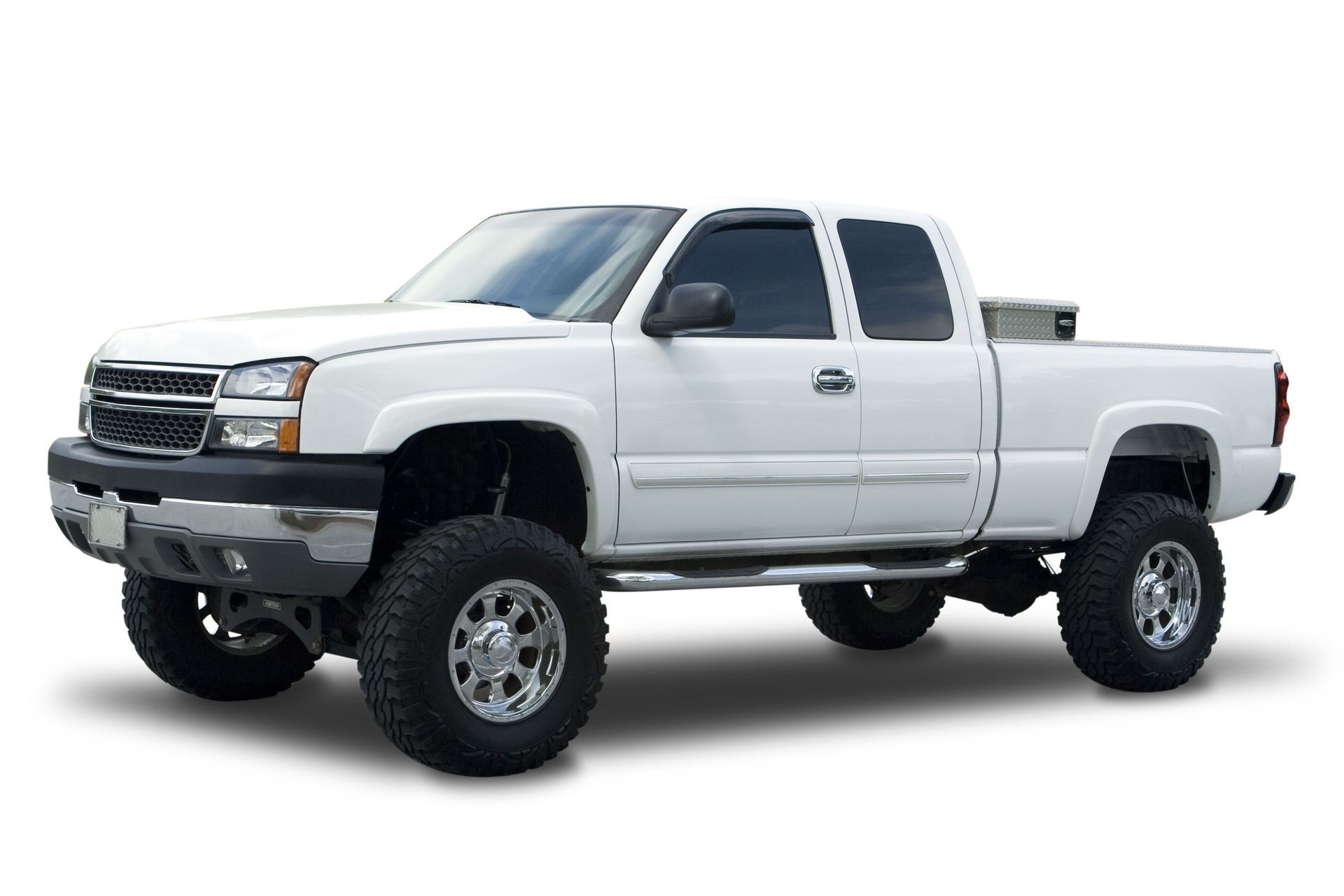
A lift kit can change a pickup's stance and create room for certain larger tire combinations. Suspension lifts raise parts of the vehicle through changes to suspension components, while body lifts raise the body relative to its frame. These approaches have different effects on handling and clearance; neither automatically increases the space beneath the axles or differentials.
Before choosing a system, drivers should consider typical terrain, desired tire size, suspension geometry, and vehicle height restrictions. Raising the center of gravity can affect cornering stability, so careful product selection and professional installation are important. A modest, well-matched modification may be more useful than an extreme increase in height.
Installing Performance Shocks and Struts
Shock absorbers help control suspension movement when a truck encounters bumps, potholes, or uneven trails. Different designs prioritize highway comfort, load control, or off-road performance, so the ideal choice depends on driving conditions. Better-matched damping can improve ride control, but installing the stiffest available parts does not guarantee a smoother ride.
When a lift kit changes suspension travel, appropriately sized shocks may also be necessary. Owners should verify that replacement parts match their truck's suspension design and have wheel alignment checked after applicable modifications.
Improving Stability With Sway Bars and Bushings
Sway bars resist body roll during cornering, while suspension bushings help control movement at component connections. Replacement parts may improve responsiveness on paved roads, particularly when worn factory components are causing looseness. However, stiffer bushings can transmit more vibration, and stronger sway bars may restrict wheel articulation on rugged terrain.
These trade-offs matter for trucks that alternate between commuting and off-road use. Selecting components based on actual driving conditions generally produces better results than upgrading every suspension part at once.
Considering Air Suspension Systems
Air suspension products serve different purposes. Some systems adjust ride height, while supplemental air springs help level a truck carrying a permitted load. This can be useful for owners who frequently transport varying amounts of equipment, but air assistance does not increase the manufacturer's payload or towing ratings.
Compatibility deserves particular attention when a lift kit or other suspension changes have already been installed. Drivers should review product instructions and vehicle specifications to avoid combining components that interfere with one another.
Strengthening Braking Performance and Safety
Selecting Upgraded Brake Components
Brake pads, rotors, and calipers affect how a truck manages heat and repeated stops. For vehicles operating on steep roads or carrying loads within their ratings, suitable performance components may improve resistance to brake fade. Nevertheless, larger rotors or aftermarket pads do not guarantee shorter stopping distances in every situation.
Tire traction, vehicle weight, maintenance, and driving conditions remain major factors. Owners should select compatible parts, preserve factory safety systems, and address worn brake components before seeking additional performance.
Maintaining Proper Tire and Wheel Fitment
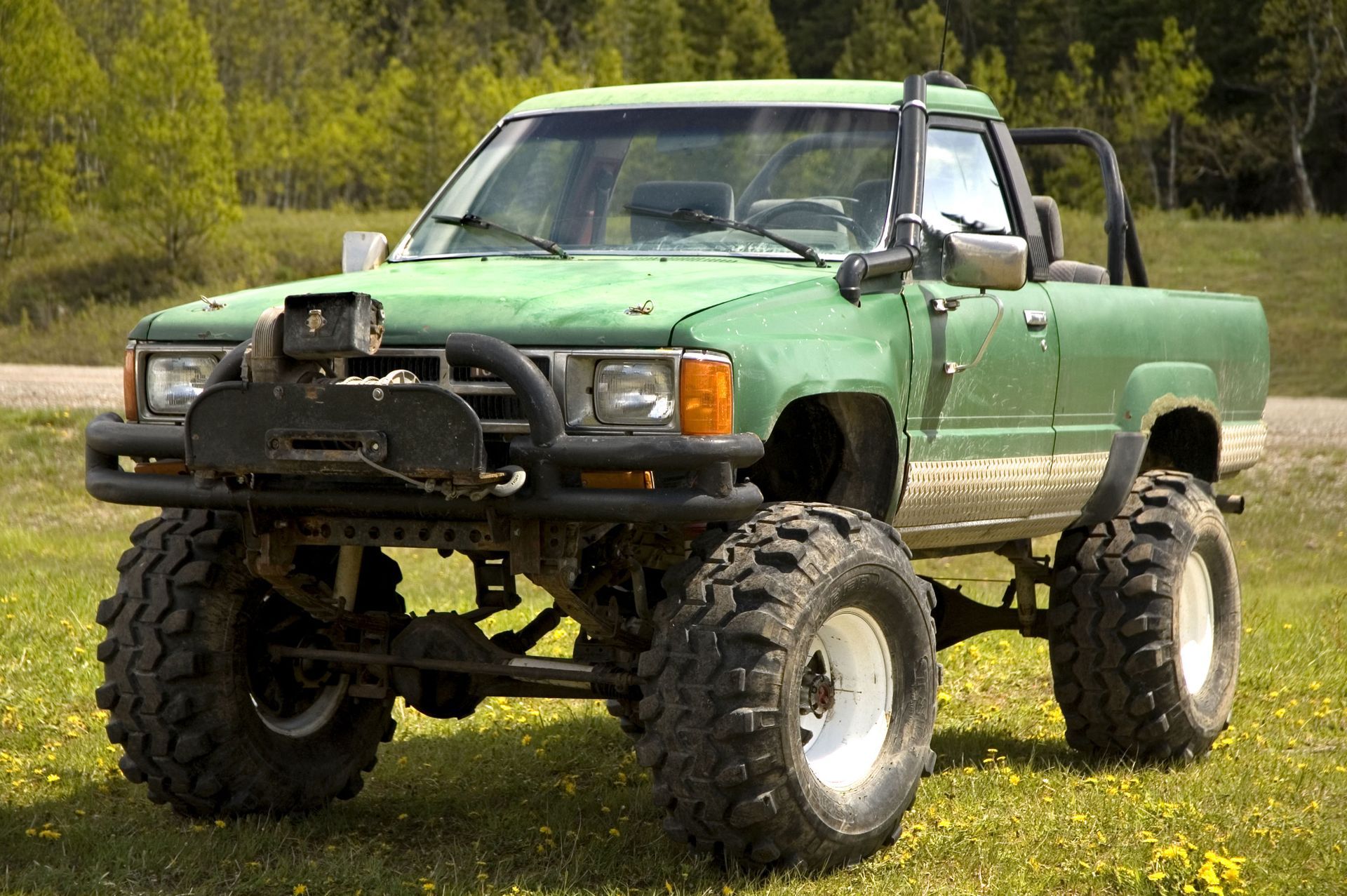
Tires influence traction, road noise, braking, and ride comfort. All-terrain models can balance paved-road manners with grip on dirt or gravel, whereas mud-terrain designs favor more challenging loose surfaces. The right choice depends on where the truck spends most of its time, not simply how aggressive the tread looks.
Larger tires are often paired with a lift kit for clearance and appearance, but they can affect gearing, speedometer readings, fuel economy, and braking. Confirming wheel offset, tire load ratings, and clearance throughout steering and suspension movement helps prevent rubbing or unsafe fitment.
Increasing Everyday Functionality
Adding Truck Bed Storage Solutions
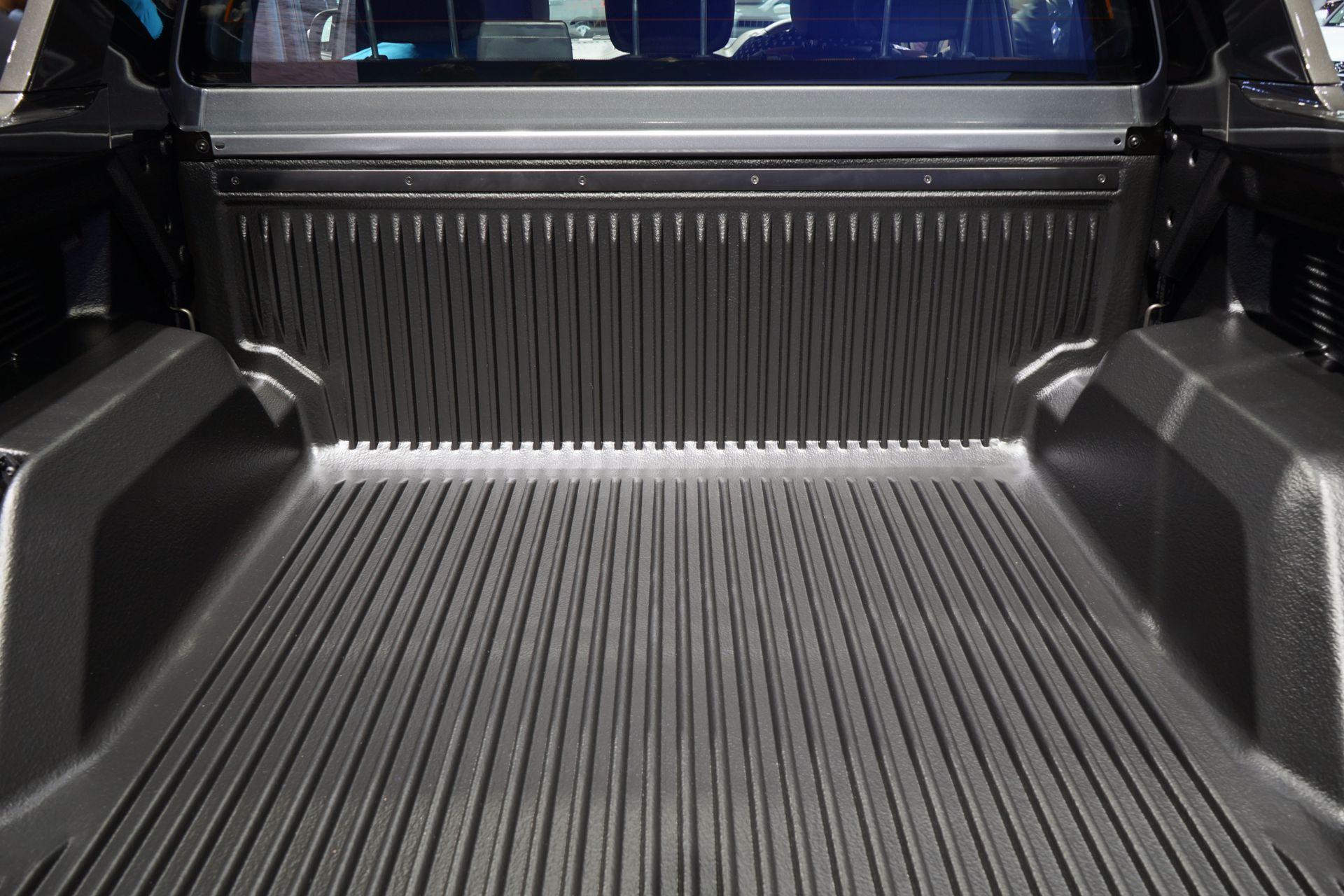
Toolboxes, sliding drawers, and cargo organizers make a pickup bed easier to use for work or recreation. They can keep frequently needed equipment accessible while helping prevent loose items from shifting during travel. The best configuration depends on what owners carry, how often they need access, and how much open bed space they want to retain.
Storage products also add weight, so their combined load must remain within the truck's payload rating. Checking dimensions and mounting requirements before purchasing can prevent conflicts with tie-downs, tailgates, and other accessories.
Installing Truck Bed Covers
Folding, rolling, retractable, and hinged bed covers offer different approaches to cargo protection and access. Many help shield belongings from rain, sunlight, and road debris, although weather resistance varies by design. Lockable covers can discourage casual access, particularly when used with a locking tailgate, but they should not be treated as theft-proof.
Owners should compare how much of the bed remains accessible when the cover is open. Those who regularly carry tall equipment may prefer a design that folds away or can be removed without extensive effort.
Making the Most of Pickup Truck Upgrades
Thoughtful customization can make a pickup more comfortable, practical, and suitable for its owner's routine. Engine, suspension, braking, and storage improvements each serve different purposes, and the most effective combination depends on realistic driving demands. Prioritizing compatible parts and proper installation helps preserve the vehicle's long-term usefulness.
Ready to make your pickup work better for you? Contact Truck Accessories of Oklahoma to discuss a
lift kit, compare practical truck accessories, and identify upgrades suited to your vehicle and goals. Explore your options and take the next step toward a truck designed for the way you drive.