October 24, 2026
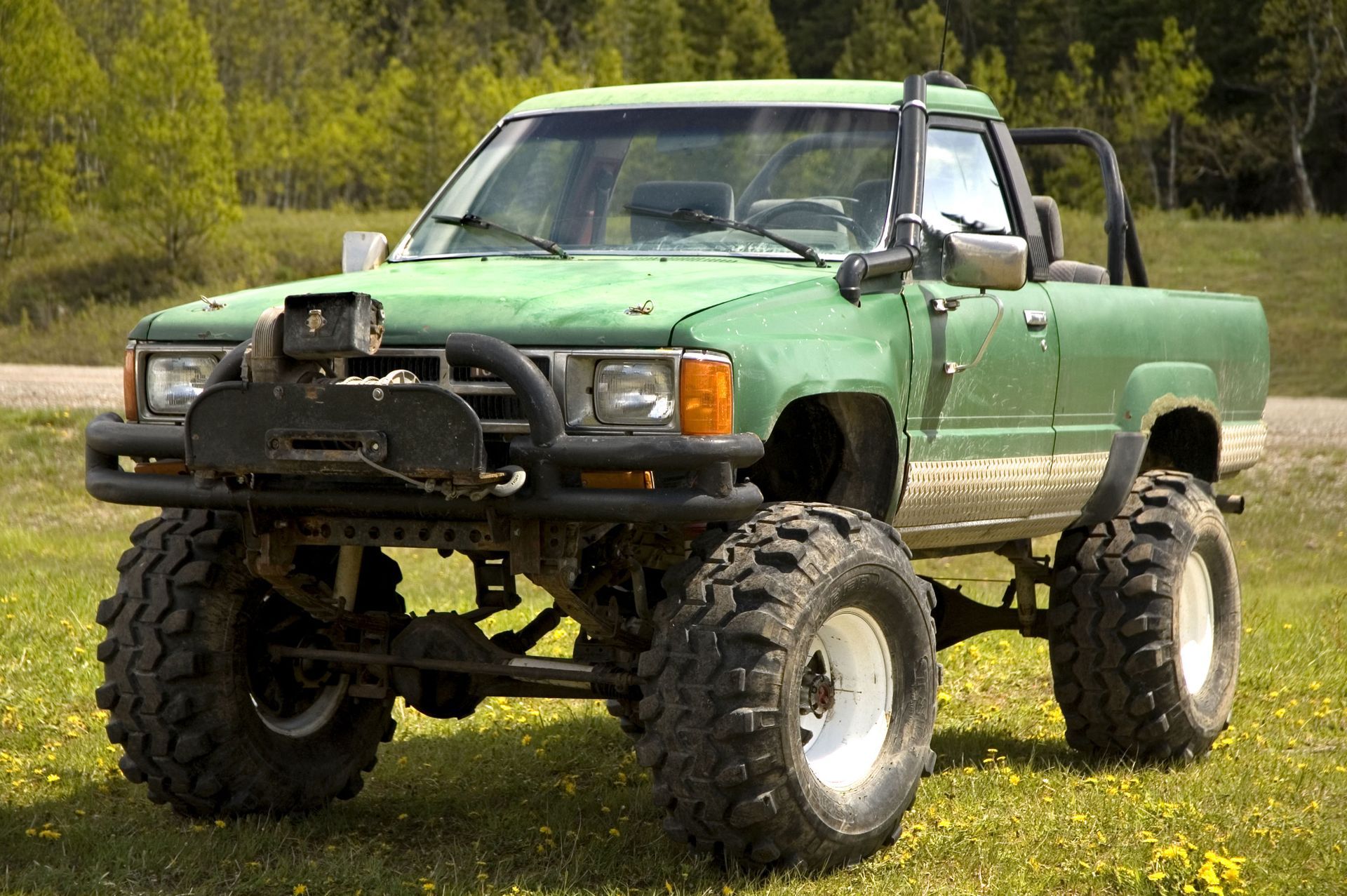
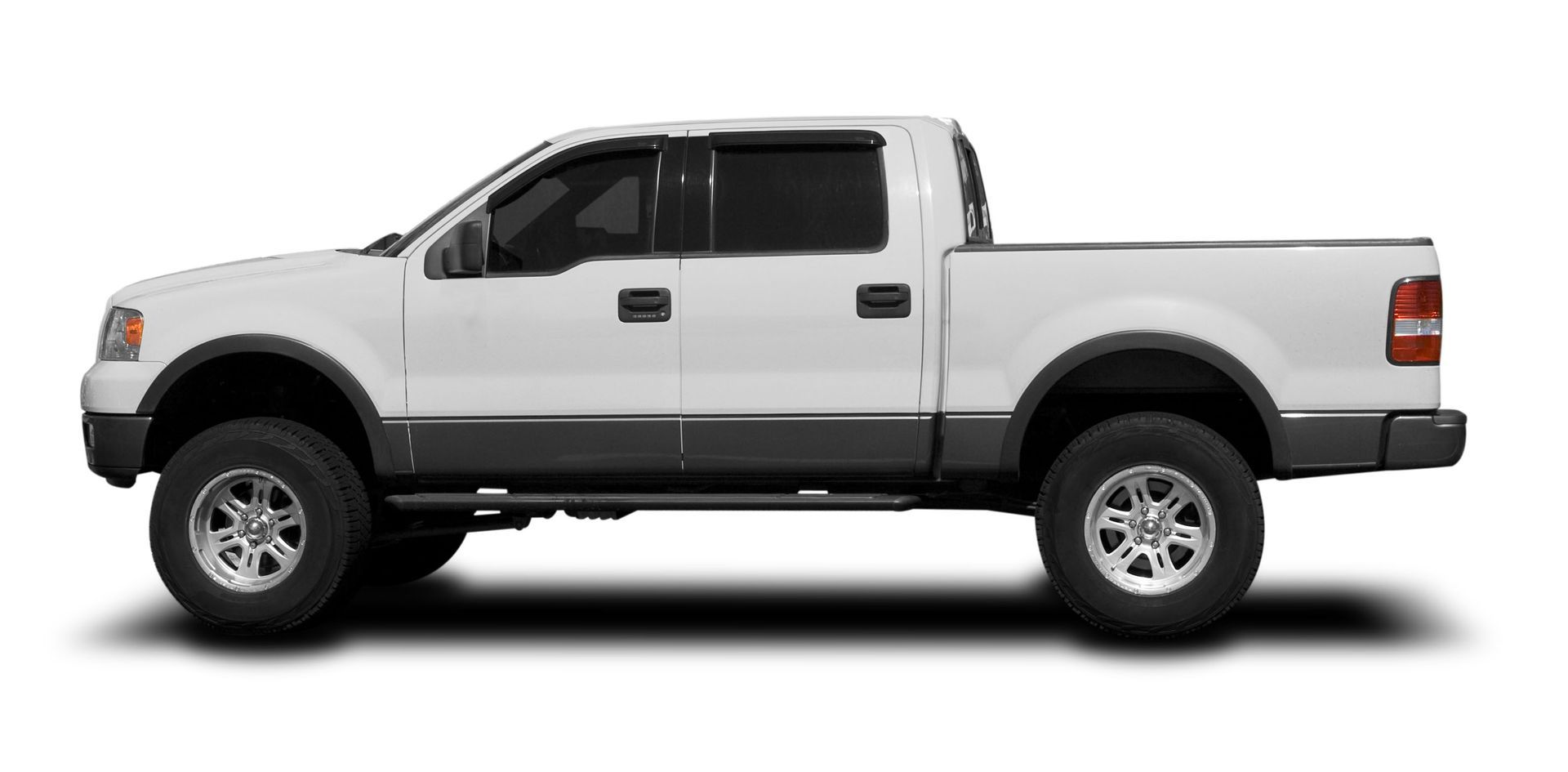
Upgrading a personal truck or utility vehicle is an exciting venture that allows vehicle owners to customize overall performance, elevate visual appearance, and enhance off-road capabilities across diverse driving environments. Among the vast array of available aftermarket modifications, raising overall vehicle height remains one of the most popular choices for automotive enthusiasts seeking a commanding road presence and improved functional versatility. Modifying frame clearance transforms the overall profile of a vehicle, providing additional room underneath the chassis for navigating rugged terrain, rocky paths, deep mud, rutted trails, and steep inclines without damaging underbody components or body panels. However, modifying vehicle suspension involves complex mechanical changes that extend far beyond simple aesthetic enhancements or visual upgrades for your vehicle.
Before making structural alterations to a vehicle, truck owners must thoroughly understand how modifying ground clearance impacts underlying mechanical systems, handling stability, suspension travel, braking distance, and daily driving dynamics. Altering factory geometry changes how steering components interact, how driveshafts rotate under acceleration, and how vehicle weight transfers during braking or sharp cornering maneuvers. Taking adequate time to research system requirements, mechanical dependencies, component durability, and ongoing maintenance expectations ensures that vehicle modifications deliver optimal performance without compromising overall occupant safety, vehicle stability, or driving enjoyment across various road conditions, highway speeds, and weather environments.
Investing in a quality lift kit offers significant functional advantages for off-road adventures while giving your vehicle a bold, customized aesthetic that stands out in any crowd. By carefully evaluating suspension options, steering requirements, tire dimensions, and drivetrain alignment, vehicle owners can make informed decisions that align with their specific driving habits and recreational goals. Exploring the essential technical factors involved in modifying vehicle height provides valuable guidance and practical insight for anyone preparing to transform their truck into a versatile, high-performing machine capable of tackling challenging trails and rough terrain.
Understanding Suspension Systems and Vehicle Mechanics
Suspension architecture serves as the primary foundation for vehicle stability, passenger comfort, and overall control while navigating highway lanes, city streets, or unpaved backroads. Original equipment manufacturers design factory suspension setups to balance smooth ride quality, payload capacity, towing stability, and fuel efficiency under standard driving conditions. When modifying vehicle height, truck owners alter factory spring stiffness, shock absorber travel, and control arm working angles, which directly influence how the vehicle absorbs road impacts, negotiates deep potholes, and articulates over large obstacles.
Distinguishing between different suspension modification methods is crucial for achieving desired performance goals and maintaining long-term vehicle integrity. Body modifications elevate the vehicle body above the frame without altering suspension geometry, whereas full suspension modifications replace springs, shocks, and control linkages to increase actual ground clearance beneath the chassis frame. According to Fortune Business Insights, worldwide valuation for the pickup truck industry is projected to expand from $208.67 billion in 2024 to $299.98 billion by 2030. This substantial market expansion highlights the growing global passion for versatile utility vehicles and customized truck performance. Selecting a properly engineered lift kit ensures that upgraded suspension components function harmoniously with factory frame architecture.
Evaluating Vehicle Handling and Driving Characteristics
Raising vehicle height inevitably alters the center of gravity, which plays a major role in vehicle dynamics during acceleration, turning maneuvers, and sudden braking. A higher center of gravity shifts body weight more dramatically during sharp turns or unexpected lane changes, requiring drivers to adjust their driving habits, maintain heightened awareness behind the wheel, and allow extra space when following other vehicles. Understanding these handling changes helps truck owners operate elevated vehicles safely across diverse highway environments, wet road surfaces, and winding mountain passes.
Shock absorber selection and spring firmness directly impact overall ride quality, chassis stability, and passenger comfort following suspension height modifications. High-performance gas-charged shocks and progressive coil springs absorb rough terrain impacts effectively while reducing body roll during high-speed highway cruising. Choosing a well-balanced lift kit maintains comfortable cabin conditions for daily commuting while providing the robust dampening required for challenging off-road expeditions and backcountry trail exploration.
Selecting Larger Tires and Wheel Combinations
One of the primary motivations for increasing vehicle height is accommodating larger, aggressive off-road tires that improve traction across mud, sand, loose gravel, deep snow, and slick rock surfaces. Increased clearance beneath fender wells allows truck owners to install wider wheel profiles and deeper tread patterns without experiencing tire contact against inner fender liners, frame rails, or suspension arms during full steering lock maneuvers or deep suspension compression.
However, installing larger wheel and tire packages increases overall rotational mass, which influences acceleration response, braking distance, and speedometer calibration accuracy. Heavier tire assemblies require greater stopping force, making brake system inspection, fluid checks, and routine maintenance an important consideration after modifying vehicle height. Installing a properly matched lift kit ensures adequate wheel clearance while preserving full suspension articulation and tire clearance during demanding off-road maneuvers.
Managing Steering Alignment and Geometry Adjustments
Altering suspension height changes the natural working angles of steering linkages, track bars, sway bar end links, and control arms relative to the vehicle frame structure. Uncorrected steering geometry can cause unwanted steering wander, uneven tire wear, or bump steer, where hitting a road bump causes the steering wheel to pull unexpectedly to one side while driving down the road. Proper alignment adjustments restore factory tracking angles, eliminate erratic steering feedback, and ensure precise steering response under all driving conditions.
Aftermarket track bars, drop pitman arms, caster correction brackets, and adjustable control arms are frequently integrated into high-clearance modifications to keep axles centered beneath the frame. Re-aligning steering components protects premium off-road tires from premature tread wear and restores predictable tracking on highway lanes. Incorporating comprehensive geometry corrections during your lift kit installation guarantees smooth steering response and optimal directional stability across all driving surfaces.
Maintaining Drivetrain Components and Long-Term Reliability
Drivetrain components, including front and rear driveshafts, universal joints, transfer case outputs, and constant velocity joints, operate within specific angular limits established by factory engineering standards. Raising vehicle height increases driveshaft working angles, which can introduce subtle driveline vibrations or accelerate joint wear if left unaddressed during the modification process. Addressing driveline angles ensures smooth power transfer from the transmission to the differential assemblies under heavy load and aggressive acceleration.
Installing transfer case drop spacers, axle pinion shims, or extended driveshafts helps maintain proper joint working angles and prevents excessive wear on differential seals and transfer case bearings. Regular inspection of universal joints, differential fluid levels, steering links, and suspension bushings prolongs component lifespan and maintains dependable mechanical operation over time. Selecting a high-grade lift kit designed specifically for your vehicle make and model protects critical drivetrain components from unnecessary operational stress during heavy use.
Upgrading vehicle height is a transformative modification that enhances off-road capability, elevates ground clearance, improves trail visibility, and provides an impressive visual profile for utility vehicles. By carefully considering suspension mechanics, handling characteristics, tire sizing, steering alignment, and drivetrain maintenance, truck owners can enjoy the full benefits of heightened performance while preserving long-term reliability, vehicle safety, and daily driving comfort across every journey.
If you are ready for an elevated driving experience that combines rugged off-road performance with exceptional style, contact us at Truck Accessories of Oklahoma today. We will help you select and install the ideal lift kit for your vehicle with expert precision, professional craftsmanship, and dedicated service.